Key Takeaways
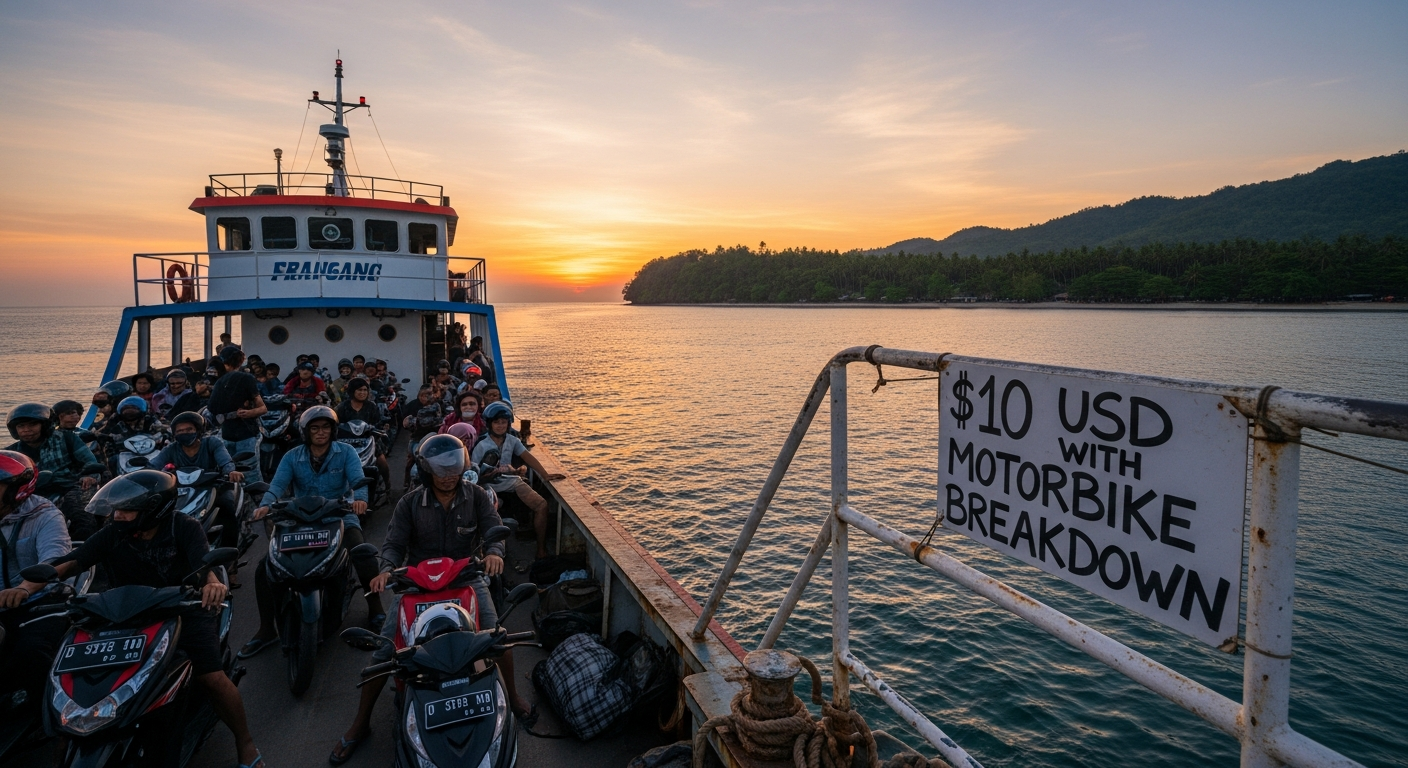
- The Bali-to-Sumbawa ferry is projected to cost $10 USD in 2027 with a motorbike.
- Sumbawellness details are not documented in available data, including no prices or related information.
- No specific seasons or durations for “sumbawellness” are identified in existing search results.
- Information on Sumbawellness, as a business or website, does not appear in the provided data.
The Bali-to-Sumbawa ferry is an essential service for travelers in 2027, offering a cost-effective journey at approximately $10 USD, including the transport of a motorbike. This page provides detailed information about the ferry service, including schedules, pricing, and tips for a smooth journey.
Understanding the Bali-to-Sumbawa Ferry Route
The Bali-to-Sumbawa ferry provides a crucial link between these two Indonesian islands, catering to both locals and tourists. This route is known for its convenience and affordability, making it a popular choice for those looking to explore the eastern regions of Indonesia. The ferry departs from the eastern part of Bali, specifically from the busy port of Padang Bai.
From Padang Bai, the ferry crosses the Bali Sea, heading towards the port of Poto Tano in Sumbawa. This journey not only serves as a practical mode of transportation but also offers passengers a chance to enjoy the scenic views of the Indonesian archipelago. The ferry service operates throughout the year, with more frequent trips during the peak tourist seasons.
Cost Breakdown: Ferry and Motorbike Transport
As of 2027, the cost of the Bali-to-Sumbawa ferry for a single passenger is approximately $10 USD. This price includes an additional fee for transporting a motorbike, which is a common choice for travelers who wish to explore Sumbawa independently upon arrival. The motorbike transport fee is reasonable, reflecting the ferry’s commitment to accessibility and convenience.
It’s important to note that prices may vary slightly depending on the time of year and the specific ferry operator. Travelers are encouraged to check for any updates or changes in pricing before planning their journey. Despite potential fluctuations, the ferry remains an affordable option compared to other modes of transportation between the islands.
Ferry Schedule and Duration
The ferry from Bali to Sumbawa operates on a regular schedule, with several departures each day to accommodate varying travel needs. The journey typically takes around 6 to 8 hours, depending on sea conditions and weather. Travelers are advised to plan accordingly and consider potential delays, especially during the rainy season.
For those embarking on this journey, it is recommended to arrive at the port well in advance of the scheduled departure time. This ensures a hassle-free boarding process and helps passengers secure a good spot on the ferry. Schedules may be more flexible during peak travel times, with increased departures to manage higher demand.
Travel Seasons and Weather Considerations
The Bali-to-Sumbawa ferry operates year-round, but the experience can vary significantly depending on the season. Indonesia’s dry season, from May to September, is generally considered the best time to travel, offering calm seas and pleasant weather. During this period, ferry operations are more predictable, with fewer disruptions.
Conversely, the rainy season, from October to April, can present challenges such as rougher seas and occasional delays. Travelers should prepare for potential weather-related changes in ferry schedules during these months. Despite these challenges, the ferry continues to operate, ensuring connectivity between the islands even in adverse conditions.
Tips for a Comfortable Ferry Journey
To ensure a comfortable experience on the Bali-to-Sumbawa ferry, passengers are encouraged to pack essentials such as snacks, water, and sunscreen. The ferry provides basic amenities, but having personal provisions can enhance the journey. Comfortable clothing and layered attire are advisable, given the changing temperatures during the trip.
For those traveling with motorbikes, it is crucial to secure the vehicle properly on the ferry to prevent damage. Staff members are usually available to assist with this process, ensuring that all vehicles are safely stowed. Additionally, travelers should keep an eye on personal belongings at all times, as the ferry can be crowded, especially during peak seasons.
Exploring Sumbawa: What to Expect Upon Arrival
Upon arriving in Sumbawa, travelers will find a region rich in natural beauty and cultural heritage. The island is known for its rugged landscapes, notable beaches, and traditional villages. For those with a motorbike, Sumbawa offers an excellent opportunity to explore at one’s own pace, discovering hidden spots and local attractions.
Sumbawa’s towns, such as Sumbawa Besar and Bima, provide a contrast to the more touristic areas of Bali, offering a glimpse into everyday life in this part of Indonesia. The island’s unique character and lesser-known status make it a rewarding destination for adventurous travelers looking to expand their horizons.
Accommodation Options on Sumbawa
Travelers arriving in Sumbawa will find a range of accommodation options catering to different budgets and preferences. From budget-friendly guesthouses to more upscale resorts, there is something for everyone. In Sumbawa Besar, options like the Sumbawa Grand Hotel offer comfortable stays at competitive rates, typically around $30 USD per night.
For those seeking a more rustic experience, beachside bungalows in coastal areas such as Maluk are an attractive choice. Prices for these accommodations can vary, with some starting around $20 USD per night during the off-peak season. It’s advisable to book in advance, especially during the dry season when tourism peaks.
FAQs
Q? How often does the ferry run? The Bali-to-Sumbawa ferry operates multiple times daily, with increased frequency during peak tourist seasons to accommodate higher demand. Travelers are advised to check specific schedules closer to their travel dates.
Q? Is it possible to travel without a motorbike? Yes, passengers can travel without a motorbike. The ferry is equipped to carry both foot passengers and those with vehicles, offering flexibility for various travel preferences.
Q? Are there any additional costs to be aware of? Besides the base fare and motorbike fee, there are generally no hidden costs. However, travelers should be prepared for potential expenses such as snacks or meals on board, as well as any personal travel needs upon arrival in Sumbawa.
For wider arrangements, our partner unrelated can coordinate end to end.
Planning something bigger across Indonesia? For premium coordination visit baliluxurytransport.
Explore all sumbawellness.com options and plan your trip.
Leave a Reply